
For thirty-six years, you could win an Olympic medal without ever touching a track or a pool.
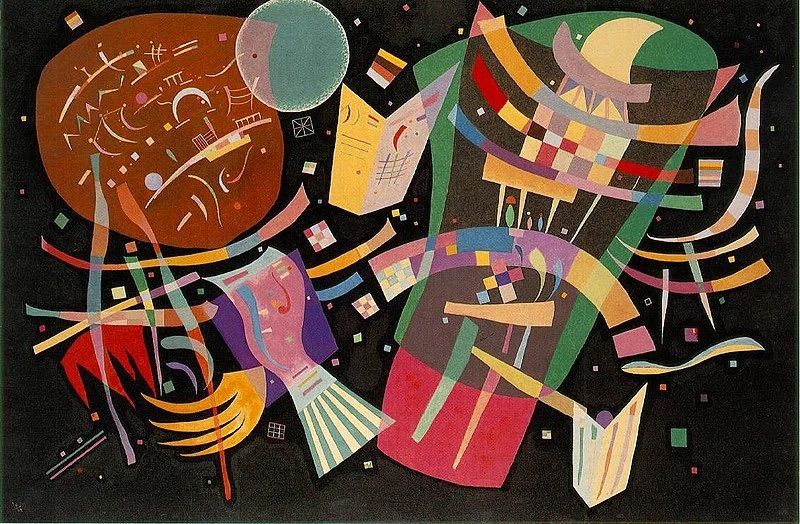
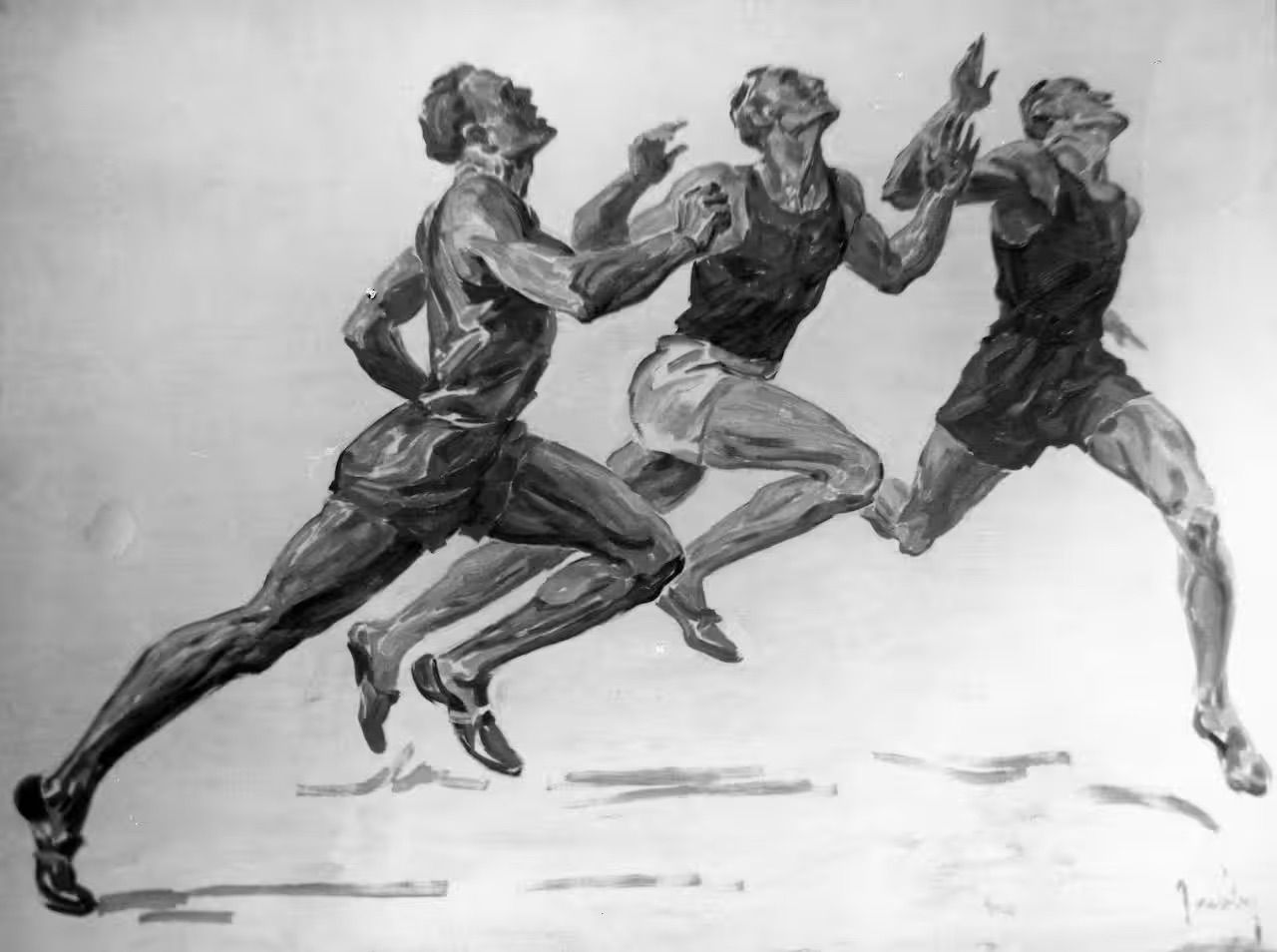
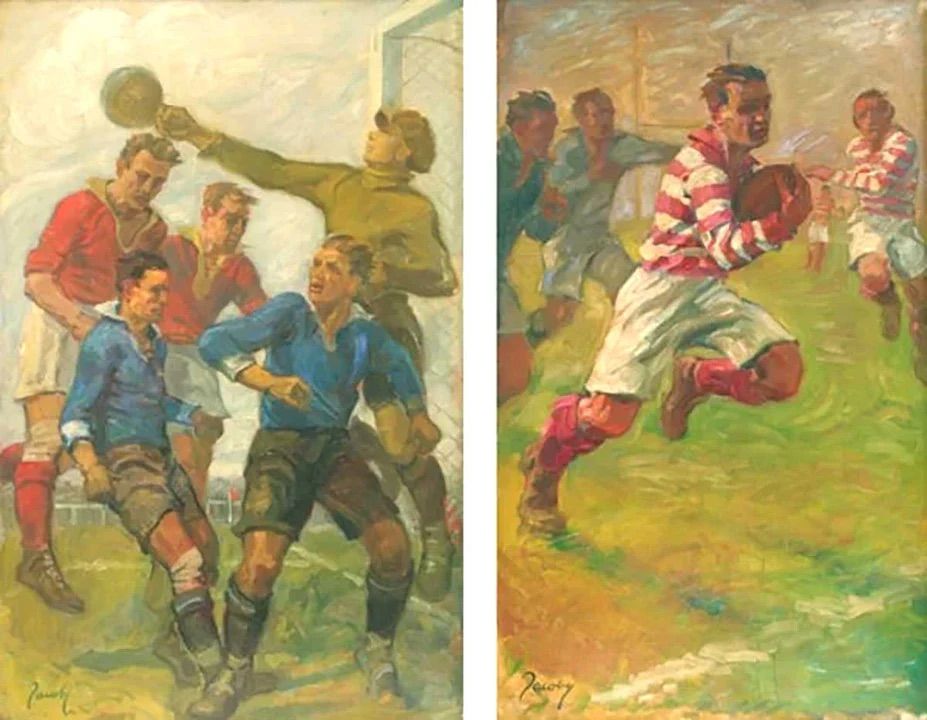
Between 1912 and 1948, the Olympic Games awarded gold, silver, and bronze in five artistic categories: architecture, literature, music, painting, and sculpture. The organisers called it the Pentathlon of the Muses. Every entry had to be inspired by sport, and an international jury judged the work the same way they judged the athletes.
Pierre de Coubertin, who founded the modern Olympics, built the whole thing around an idea he took from ancient Greece, that a complete person trains the body and the mind together, and that neither is finished without the other. To Coubertin, leaving art out of the Games would have missed the point of reviving them at all. He believed in it enough to even enter it himself; his poem Ode to Sport won the 1912 literature gold medal under a pen name.
So why don't we see painters on the podium today? The competitions were scrapped after 1948 over a technicality. Olympic athletes had to be amateurs, and the artists who entered were mostly professionals. It was a bureaucratic mismatch, not a verdict on the value of art. What happened then? What happened was that art didn't actually leave the Olympics. It stopped being a medal event and became the opening ceremonies, the posters, the architecture of the stadiums, the entire visual identity of the Games. Art became too foundational to fit in a single category.
So why don't we see painters on the podium today? The competitions were scrapped after 1948 over a technicality. Olympic athletes had to be amateurs, and the artists who entered were mostly professionals. It was a bureaucratic mismatch, not a verdict on the value of art. What happened then? What happened was that art didn't actually leave the Olympics. It stopped being a medal event and became the opening ceremonies, the posters, the architecture of the stadiums, the entire visual identity of the Games. Art became too foundational to fit in a single category.
The question we always get
When we share this story, someone usually raises a fair question. If art could be quietly dropped from the Olympics, and AI can now generate a polished image in seconds, isn't art education heading the same way, first sidelined, then automated?
It's fair to ask this. But we think the history points the other way.
It's fair to ask this. But we think the history points the other way.
Start with what AI actually does. It makes producing an image cheap. Anyone can type a sentence and get back something that looks competent. What AI does not do is decide what's worth making, or why. It can't tell you whether an image means anything, whether it's honest, whether it earns the attention it asks for. It has no taste of its own and no point of view.
Knowing what to make, noticing what's missing, composing meaning and revising toward something true or new were always the hard parts of art. The rendering was never the point; it was the vehicle for learning to see. Now that rendering is nearly free, the thinking behind it isn't any less valuable. It's now the whole game.
What happened to the art in the Olympics surprisingly rhymes with today, more than it looks. The art competition ran aground on an anxiety about authenticity, about who counted as a real artist and whether the work was legitimate. AI today raises the same anxiety. What we learned from history is consistent. These worries don't make art go away. They move it somewhere new, and usually make the human judgment behind it more visible than ever.
Knowing what to make, noticing what's missing, composing meaning and revising toward something true or new were always the hard parts of art. The rendering was never the point; it was the vehicle for learning to see. Now that rendering is nearly free, the thinking behind it isn't any less valuable. It's now the whole game.
What happened to the art in the Olympics surprisingly rhymes with today, more than it looks. The art competition ran aground on an anxiety about authenticity, about who counted as a real artist and whether the work was legitimate. AI today raises the same anxiety. What we learned from history is consistent. These worries don't make art go away. They move it somewhere new, and usually make the human judgment behind it more visible than ever.
Why we call it education, not classes?
This is why we built our studio the way we did, and why we talk about art education rather than art classes.
It would be easy to run a course or two, teach a child to copy an image until it looks accurate, and hand over a finished drawing a parent can hold, repeat. There is a place for technical skill, and we teach it. But if that is all art education is about, then yes, it's precisely the part a machine can now do for you.
It would be easy to run a course or two, teach a child to copy an image until it looks accurate, and hand over a finished drawing a parent can hold, repeat. There is a place for technical skill, and we teach it. But if that is all art education is about, then yes, it's precisely the part a machine can now do for you.
We are interested in the part that can't. We teach children to observe closely, to ask sharper questions, and to take an idea and develop it, to make choices and defend them, to connect art with design, science, and the world they're actually living in. We treat creativity as a discipline of thinking, because that is what it is at the end of the day, and it happens to be the discipline that gets more useful as the tools get more powerful, not less.
That's a slower thing to teach than a single trophy-ready technique. It is also the thing that lasts.
That's a slower thing to teach than a single trophy-ready technique. It is also the thing that lasts.
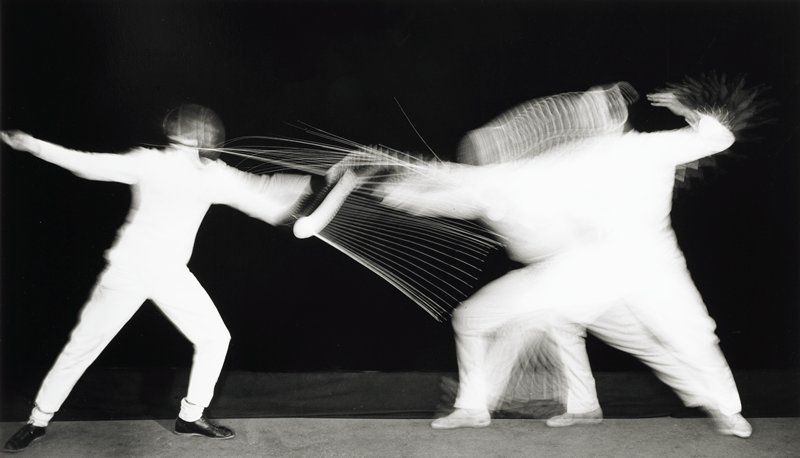
Art spent 36 years on the Olympic podium, then spent the next 75 becoming the very fabric the whole event is made of. It has a habit of doing that, proving, every time it's written off, that it was never decoration in the first place.
We believe the coming decade will make that clearer. And we would rather spend it teaching children to think like artists than teaching them the one thing the machines have finally taken off our hands.
We believe the coming decade will make that clearer. And we would rather spend it teaching children to think like artists than teaching them the one thing the machines have finally taken off our hands.
Write your awesome label here.
Sign up to our mailing list today!
Thank you!
-
one-click unsubscribe
-
tips, deals and offers
Copyright © AJ Studio, New Zealand 2012-2021